


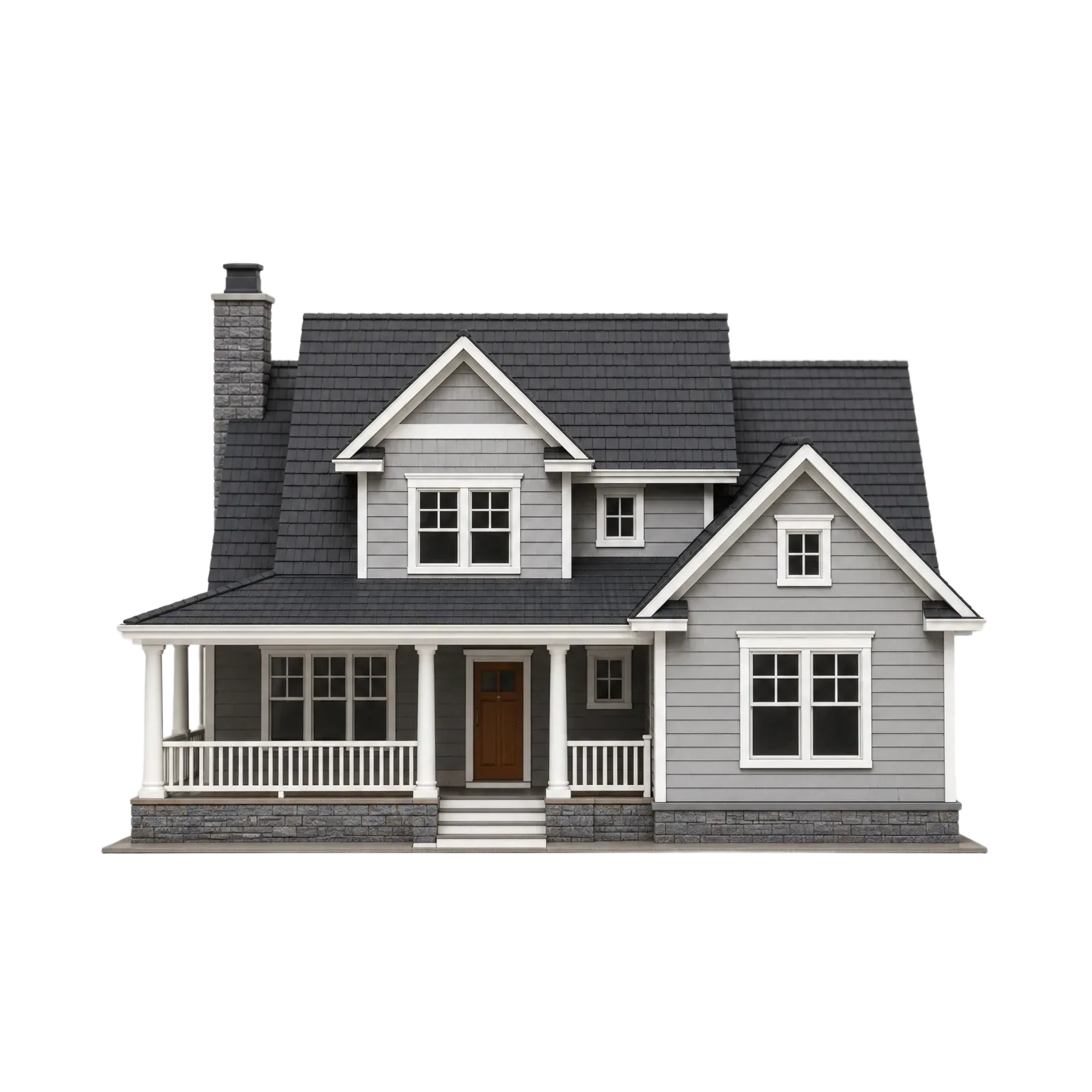
Sized to your house
A contractor who works on boilers in Alabama homes all winter runs the calculation on your rooms, your windows, your ceilings, and installs the output your house actually needs.
Once you send the form, finding a pro is off your list.
Hand it offThere's no single size that fits every Alabama home, and a boiler that's too big or too small will cost you comfort either way. The right size comes from a heat loss calculation on your actual house: square footage, window count, insulation, ceiling height, how the rooms are laid out. Two houses the same size on the same street can need different boilers if one has more windows or less insulation. A boiler sized too large cycles on and off too fast, which wears out parts sooner and leaves rooms uneven. One sized too small runs constantly and still can't keep the house warm on the coldest nights. Since most homes here heat with electricity, you may not have a boiler currently sized for your house at all, which makes that calculation the first real step. Getting the size right from the start is what keeps every room even and keeps the system from working harder than it has to.
A contractor measures every room, window, and wall
Insulation and ceiling height get factored into the load
The numbers produce a room by room heat loss total
That total sets the boiler output you actually need
If a boiler is oversized, it short cycles, kicking on and off every few minutes instead of running a long, steady stretch. You'll hear it click on and off more than it should, and some rooms still won't hold an even temperature while others get too warm. An undersized boiler runs almost constantly and still can't get the house to the temperature you set, especially on the coldest nights. Either way, the strain shows up on your electric bill, since most homes here run on electric heat and power isn't cheap. A boiler working harder than it needs to, or struggling to keep up, wears out its parts sooner too.
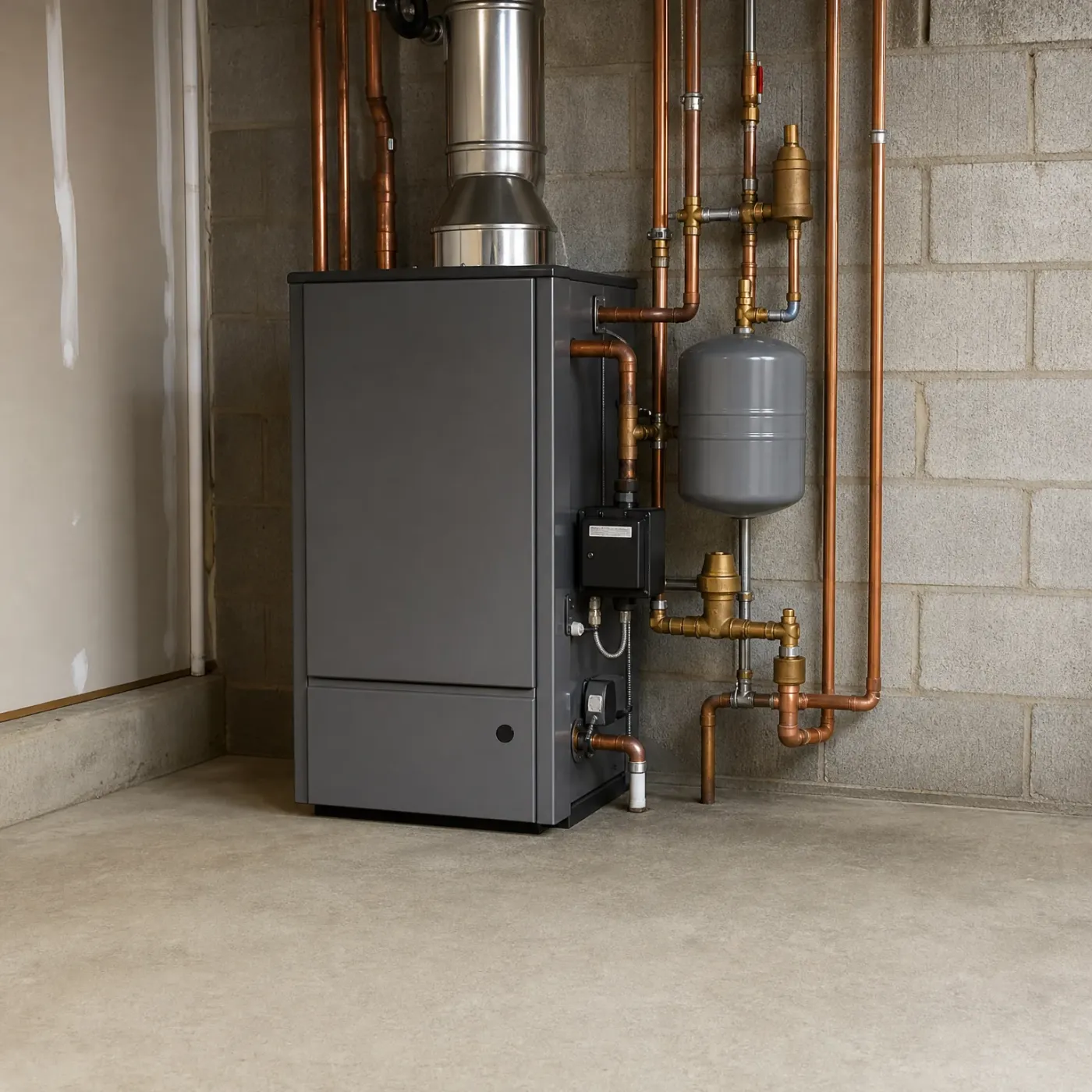
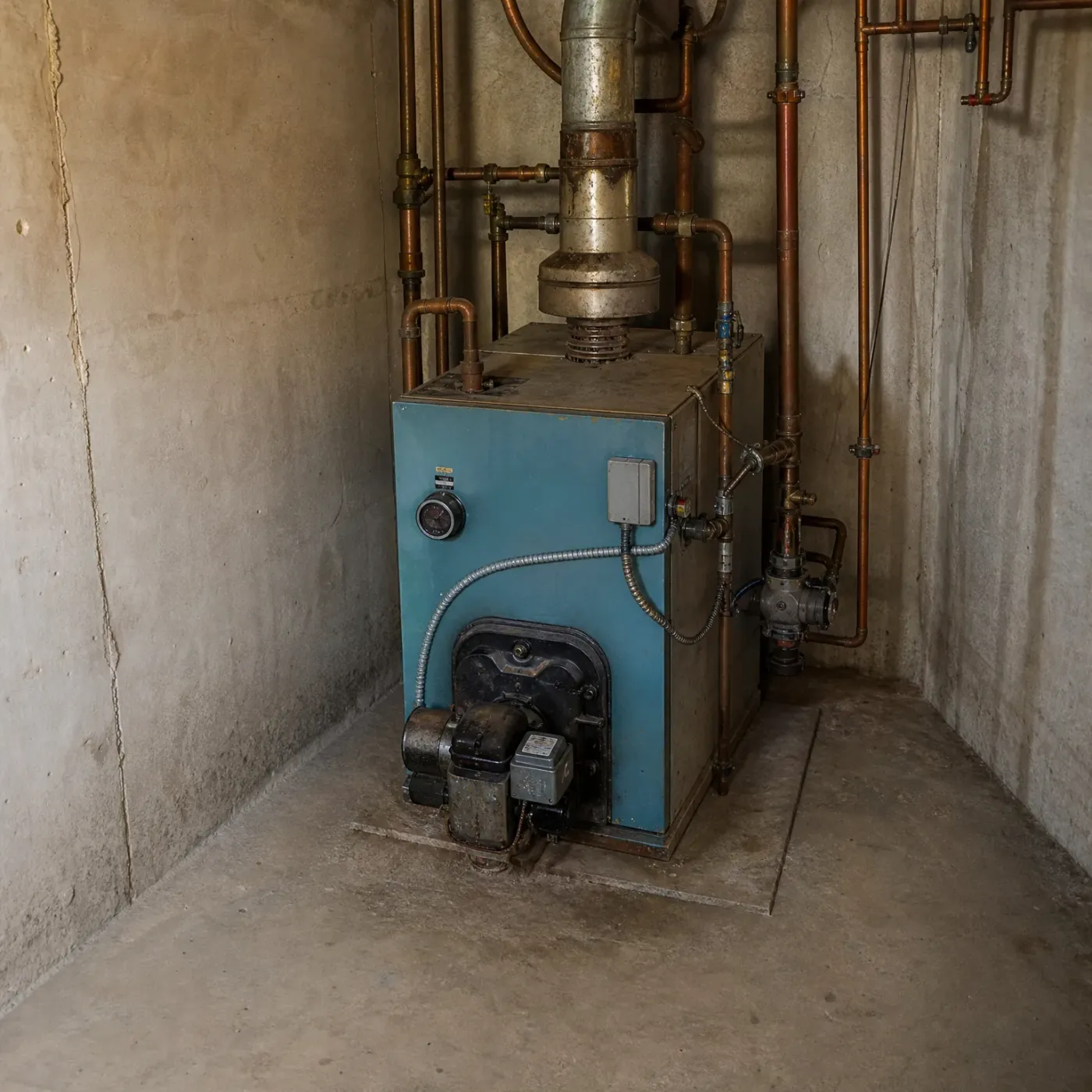




Your request goes to one pro, not a list of companies.
It costs nothing to send, and you don't have to hire anyone.
Two houses with the same square footage can need different size boilers. A house with nine foot ceilings holds more air than one with eight foot ceilings, even on the same footprint. A house with older single pane windows loses heat faster than one with newer double pane windows. Add in how much of the wall is insulated, how many exterior walls a room has, and where the house sits on the lot, and two homes the same size can come out with different heat loss totals. That's why a contractor measures your rooms instead of asking your square footage over the phone.
Most homes in Alabama heat with electricity, and power here isn't cheap. An undersized boiler runs long stretches trying to close the gap between what it can produce and what the house actually loses, and that extra runtime shows up on the bill. It also means the rooms farthest from the boiler stay cooler while it works. Getting the size right from the heat loss numbers, rather than guessing, keeps the boiler running only as long as the house actually needs it to, which matters most on the cold nights when everyone's home and the thermostat's working hardest.
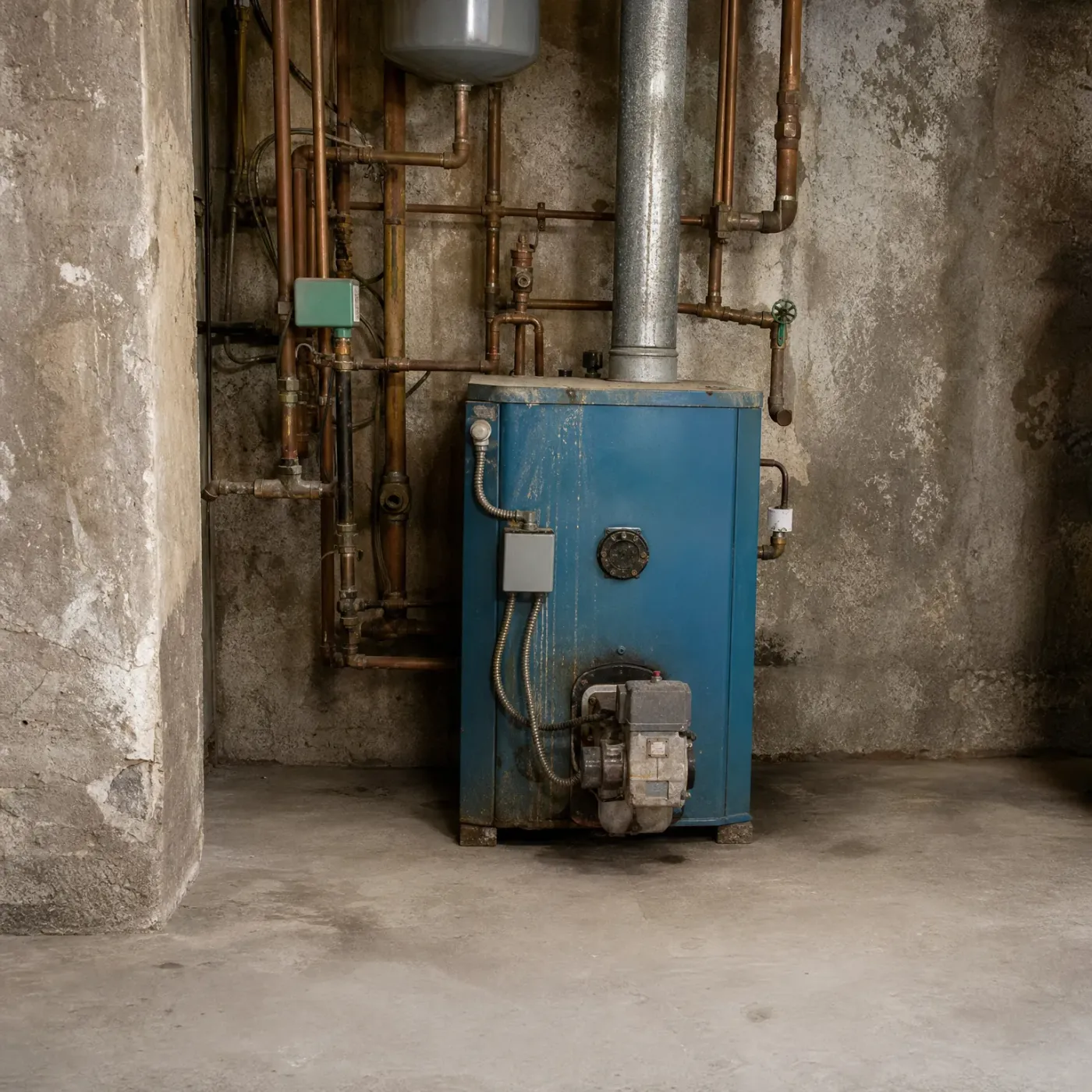
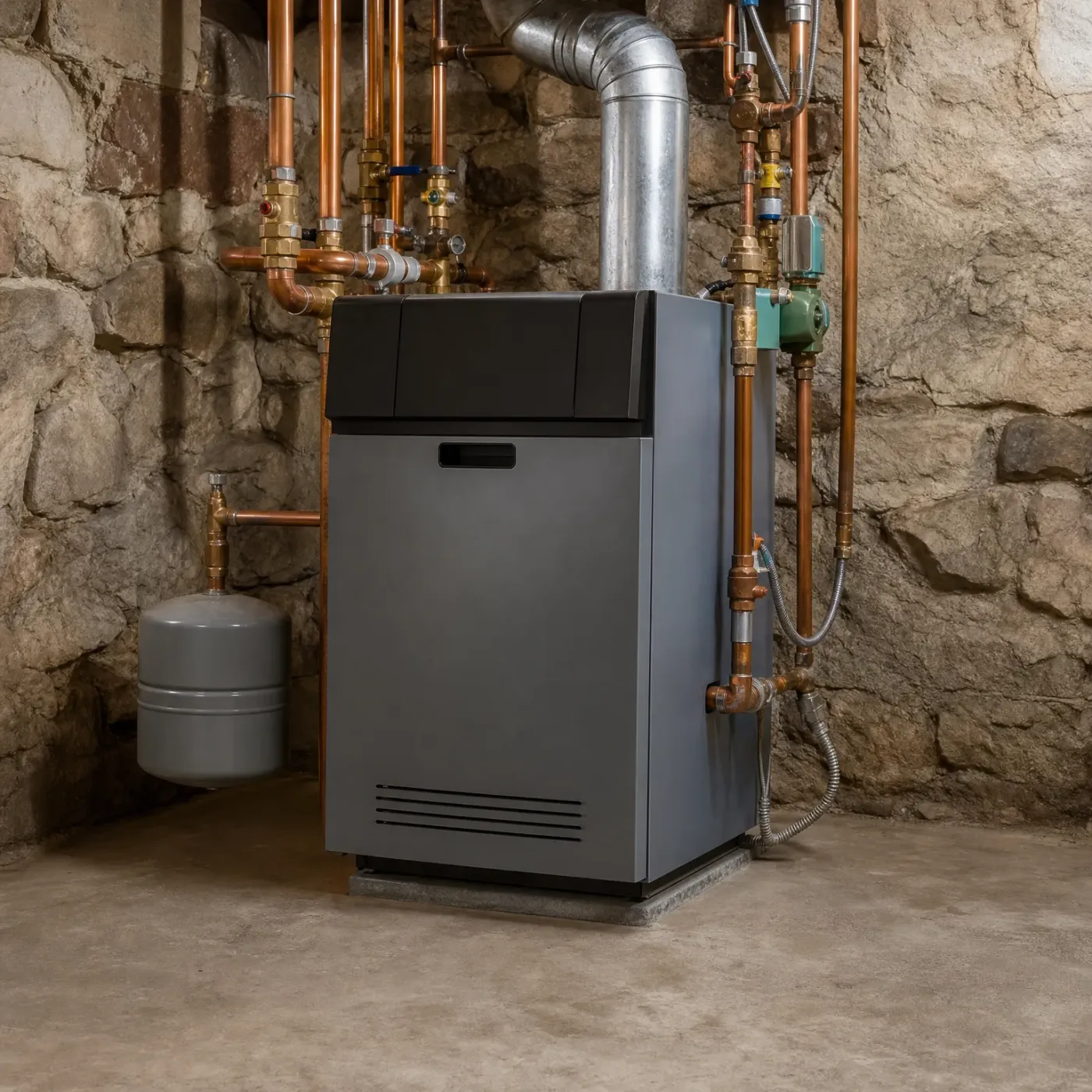
Keep the old boiler running and you're paying for its mistakes every month, especially with electric rates in Alabama what they are. A unit sized wrong wastes power whether it's too big or too small.
A new boiler sized to your house from a real heat loss calculation runs the way it should. Every room gets warm, the cycles stay long and steady, and the bill reflects a system that fits your home instead of fighting it.


A contractor who works on boilers in Alabama homes all winter runs the calculation on your rooms, your windows, your ceilings, and installs the output your house actually needs.
Swapping in the same size as the old boiler, or going by square footage alone, carries over whatever was wrong the first time, and you pay for it in comfort and in electric bills.
Nights in the mid 30s don't sound harsh, but that's the average across a whole winter, including the mild stretches. Your boiler still has to cover the colder nights that pull the average down to that number, and it needs the output to do it without running nonstop.
NOAA nClimDiv 1991-2020 county normals weighted by homes
A boiler sized to your house comes from one thing: a heat loss calculation on your actual rooms, your actual windows, your actual ceilings. Not the size of the unit that's in there now. Not a guess based on square footage alone. That calculation is what tells a contractor the output your house needs to hold every room at an even temperature through a mild Alabama winter and the cold nights that still show up in it.
You don't need to run that math yourself. A contractor who works on boilers in Alabama homes all winter has already seen what guesswork sizing does here, the short cycling, the cold back bedroom, the power bill that climbs no matter the setting. That's the kind of problem that shows up often enough to recognize fast, before the tape measure even comes out.
The request that goes out from this page goes to one contractor, licensed and local to you. Not five companies competing for the job and calling you back to back. One person who sizes boilers for houses like yours and installs the number the calculation gives, not the number that was already sitting in the basement.
Get the size right once and the troubleshooting stops. Rooms hold their heat. The boiler runs long, steady stretches instead of fighting itself. And the bill finally reflects what your house actually uses to stay warm, not what a mismatched unit wastes getting there.
The pro who reaches out is licensed in Alabama.