Running quiet
A boiler that's heating properly moves water through the pipes without much sound at all, maybe a low hum from the pump. Heat reaches the far rooms evenly and the burner cycles on and off without a fight.

A banging boiler is unsettling, especially when you're relying on it to keep the house warm and comfortable for everyone living there. Most homes in Alabama heat with electricity, and power here isn't cheap, so a boiler acting up raises two worries at once: is something breaking, and is it running up the bill while it does it. The noise itself usually points to one of a few specific causes.
The banging you hear is usually kettling. Mineral deposits build up on the heat exchanger over time, and water trapped underneath that scale boils and pops before it can mix with the rest of the water in the system, which makes a sharp banging or knocking sound. Trapped air in the pipes or radiators can cause a similar noise as water forces its way past it. Neither one fixes itself. Left alone, the scale buildup makes the heat exchanger work harder to warm the same amount of water, and that extra strain is what eventually cracks it or burns it out. Since your boiler is likely carrying the heating load through the colder months here, a problem that affects how efficiently it heats shows up directly on your electric bill.
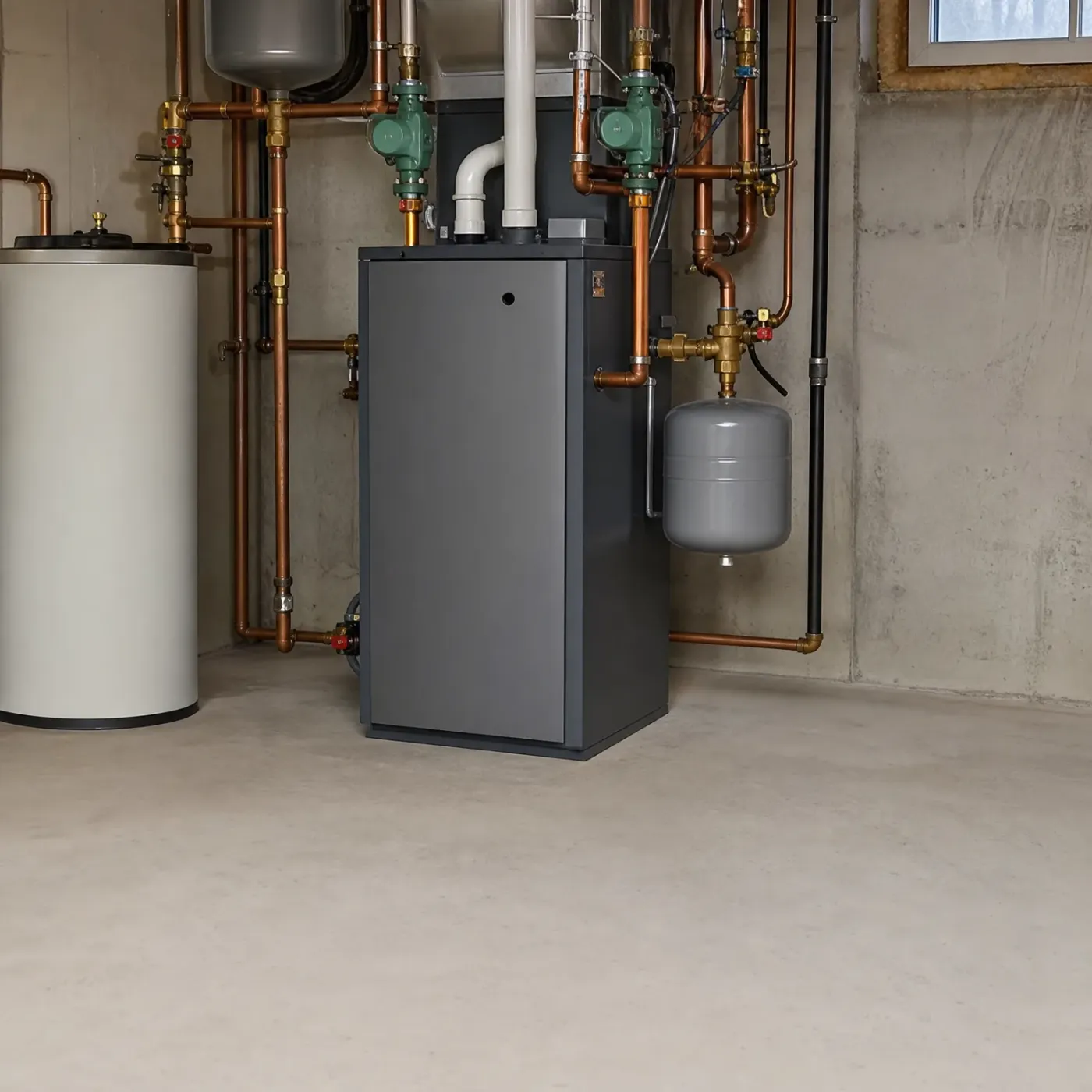
A boiler that's heating properly moves water through the pipes without much sound at all, maybe a low hum from the pump. Heat reaches the far rooms evenly and the burner cycles on and off without a fight.
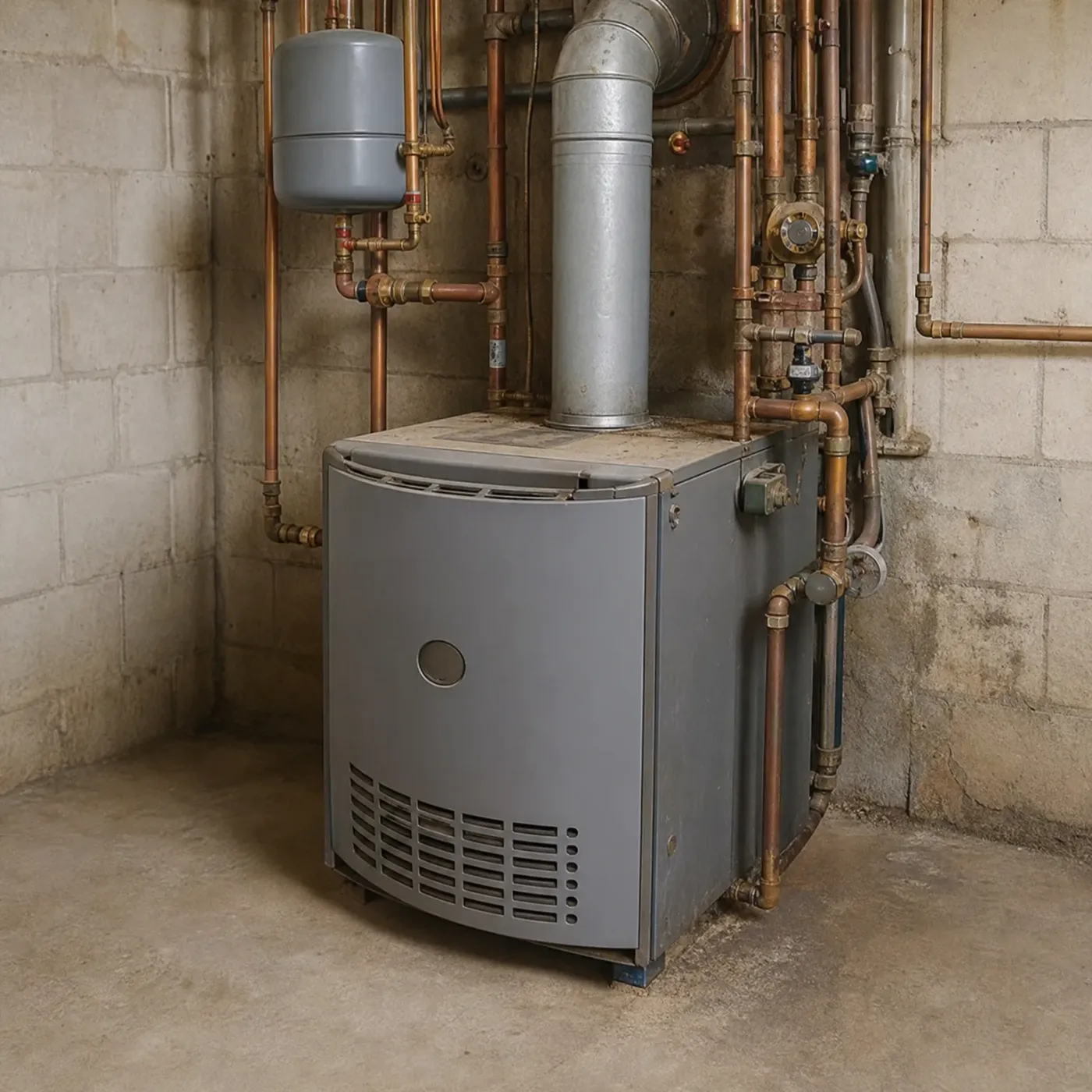
Sediment built up in the boiler or trapped air in the lines will make the water strike the metal as it moves. That banging usually gets louder over time, not quieter, and it's a sign something inside needs a look.
Listen for when it happens. A bang or series of knocks right after the burner fires usually means sediment sitting on the bottom of the tank, and it tends to get louder over weeks as more builds up. If the noise comes from the pipes under the floor or behind the walls, that's usually trapped air or a pipe that's expanding against a loose strap. You might also notice some rooms staying cold while others heat fine, or the burner clicking on and off more than it used to. Left alone, sediment baked onto the bottom of the tank makes the boiler work harder to heat the same amount of water, and that shows up on your power bill before it shows up as a bigger repair.
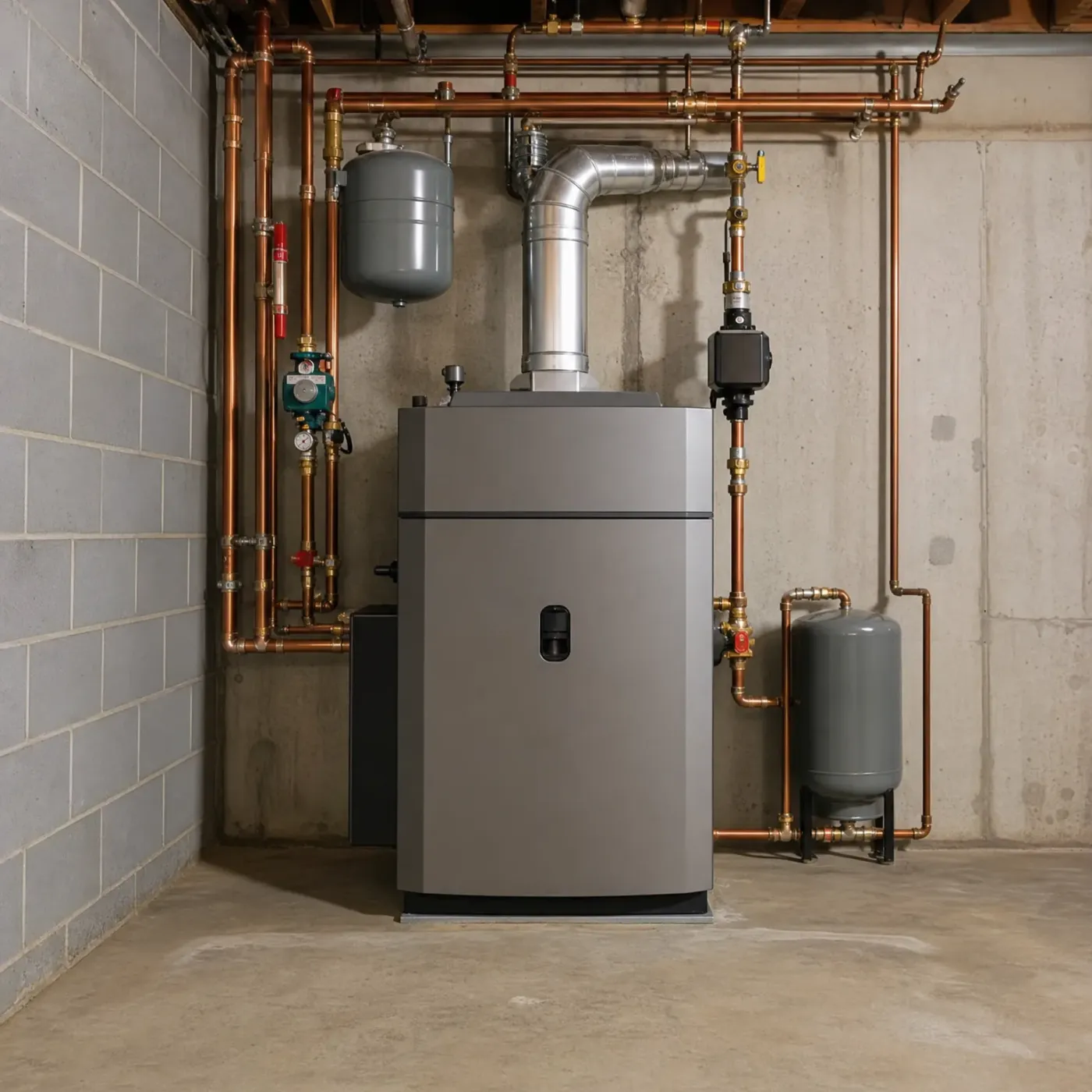
This is a boiler that's been flushed on a normal schedule. The tank stays clear, the expansion tanks hold their charge, and water moves through the copper lines without catching on scale. The burner fires, runs, and shuts off without any noise beyond the pump.
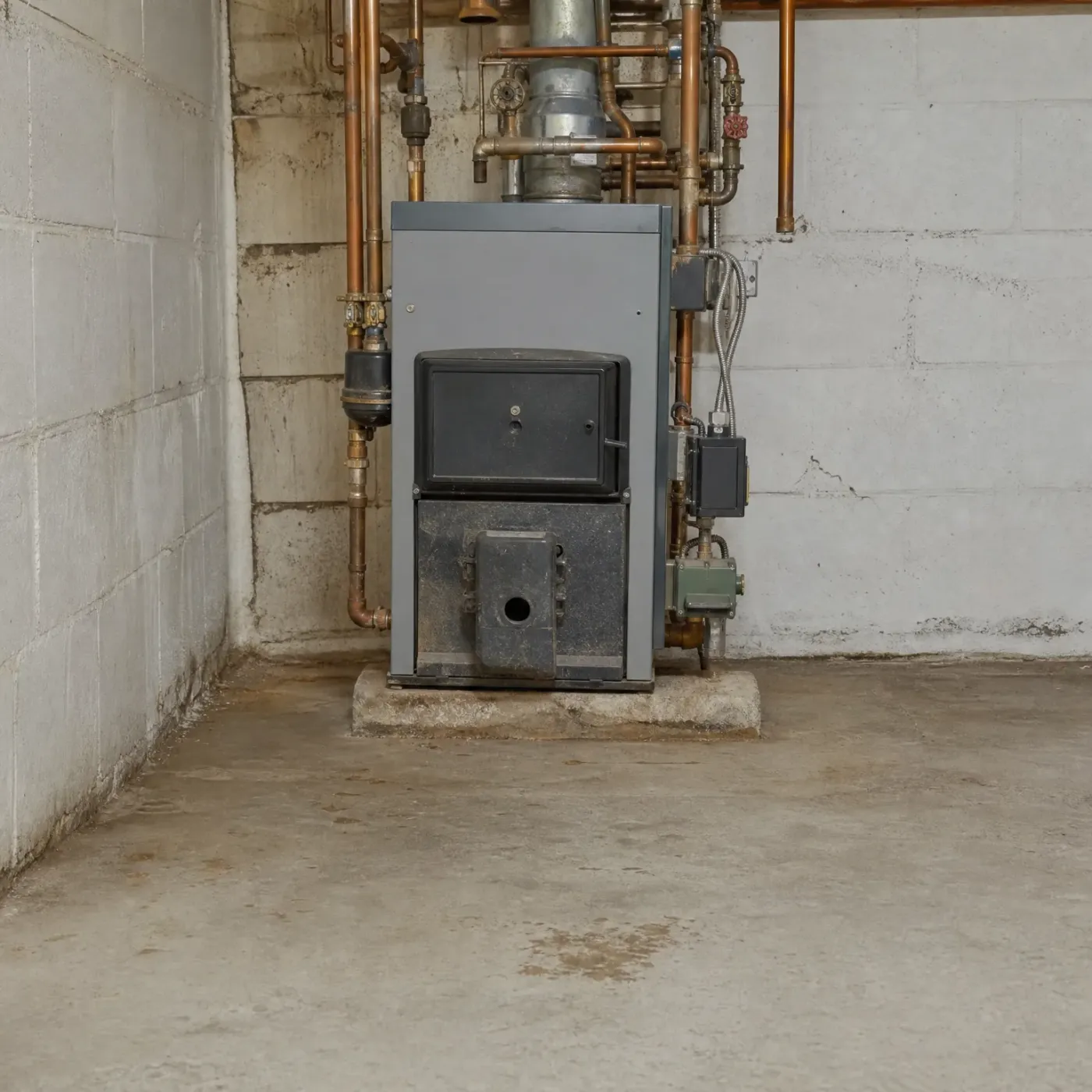
This older unit has likely gone years without a flush. Sediment sits in the tank and scale builds along the flue and fittings. Each time the burner fires, trapped water flashes to steam under that buildup and knocks against the tank walls until someone clears it out.




The pro who reaches out is licensed in Alabama.
You only hire the pro if you want to.
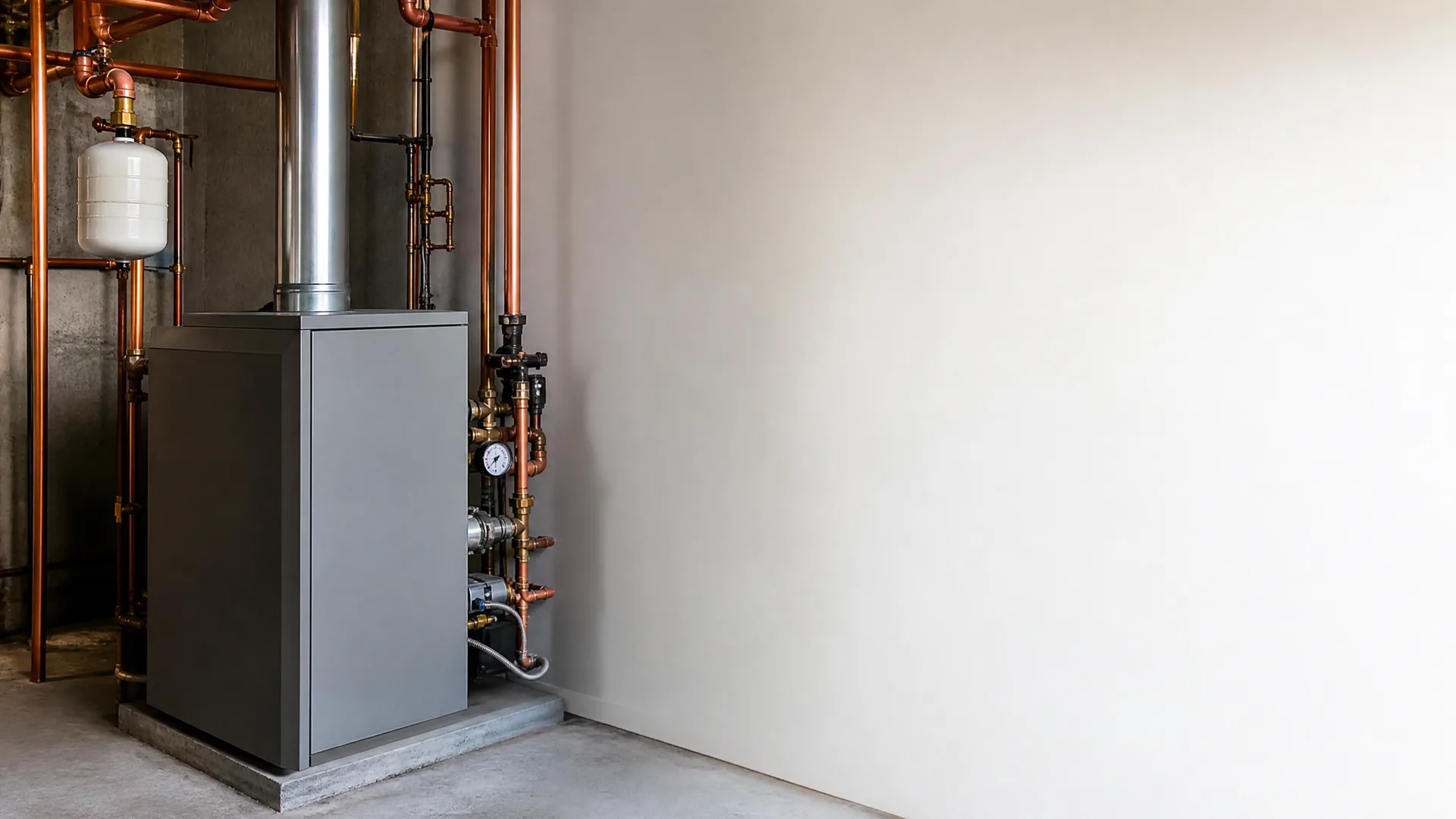
Boilers in Alabama homes often sit unused for long stretches since most houses here heat with electricity and the boiler only carries the coldest weeks. Water that sits still lets minerals settle to the bottom of the tank faster than in a system that runs daily. By the time winter calls for heat again, that layer has had months to harden, and the burner fires straight into it.
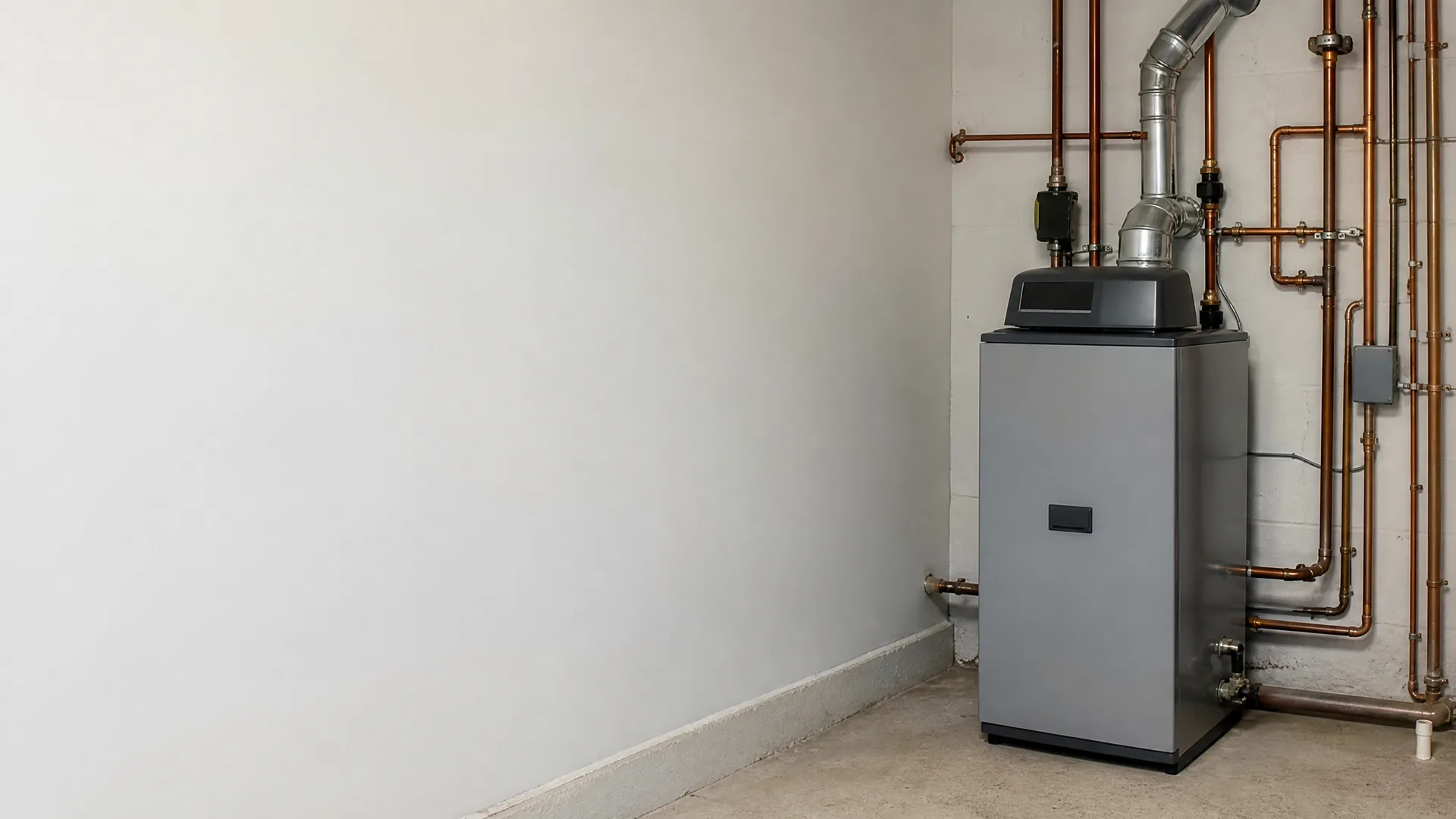
The bang happens because water trapped under or around the sediment flashes to steam and collapses again against the tank wall. It's a small, sharp impact, not unlike a knock from inside the metal. The noise shows up right after ignition because that's when the burner is putting the most heat into the spot where the sediment sits, and it fades once the water around it finally heats through.

Water expands when it heats, and in a boiler system it needs somewhere to go. That's the job of the expansion tank, a smaller tank off to the side with a cushion of air inside it. When that air cushion leaks out or the tank waterlogs, the water has nowhere to absorb into, and it slams against fittings and elbows as it's pushed through the lines. That's a different sound than sediment knocking in the main tank, sharper and more scattered through the pipes rather than right at the burner.
A contractor who works on boilers through Alabama winters knows which of these it is before taking the cover off, just from where the bangs happen and when. That matters when you're trying to get this fixed without becoming the expert yourself. Instead of calling a few places, describing the noise over the phone, and hoping whoever shows up has seen it before, you get matched with one licensed contractor local to you who already knows what a waterlogged expansion tank sounds like versus a tank full of scale.

Burner fires and heats water sitting on top of sediment
Trapped water flashes to steam against the tank's hot bottom
Steam bubbles collapse fast when they hit cooler water above
That collapse sends a shockwave through the tank wall
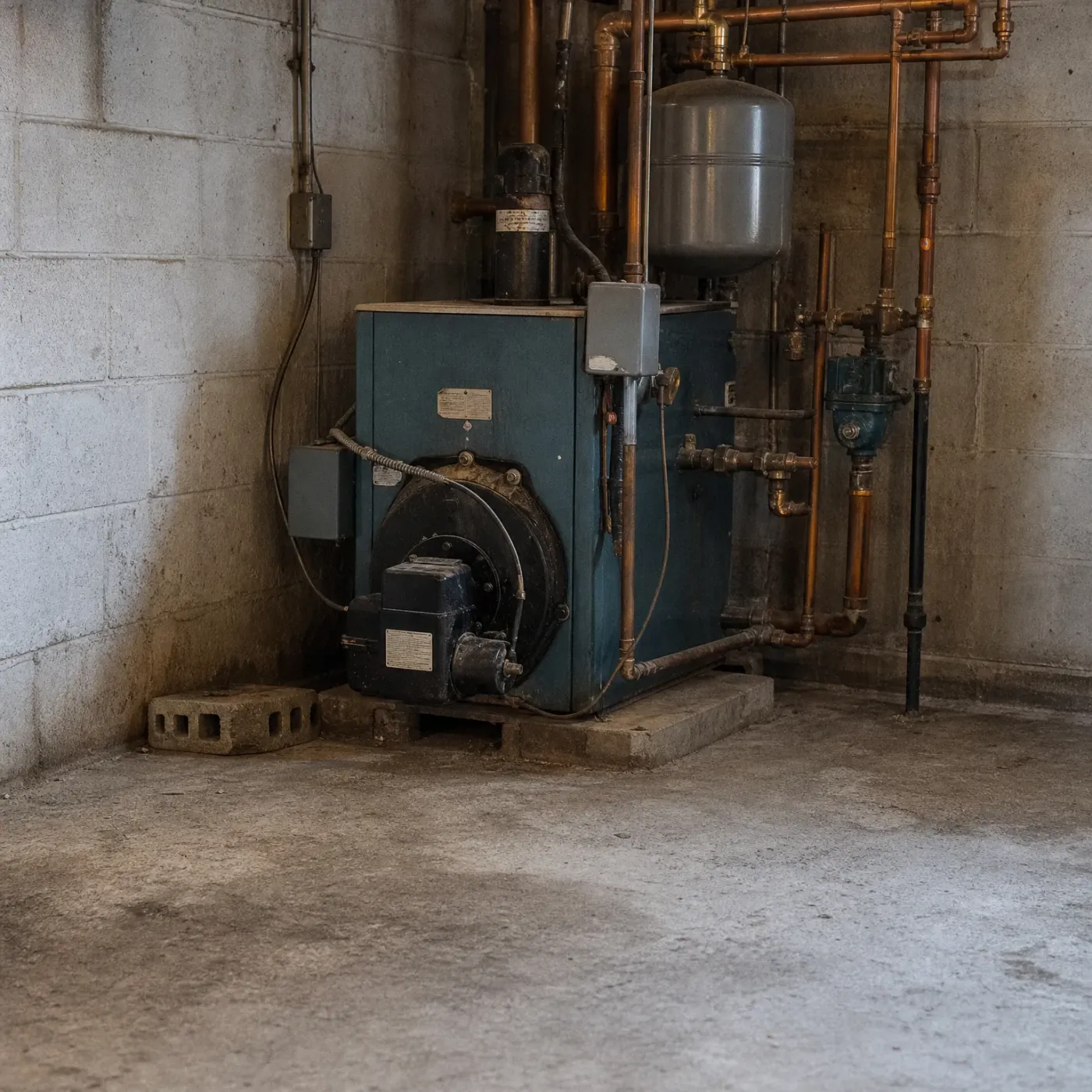
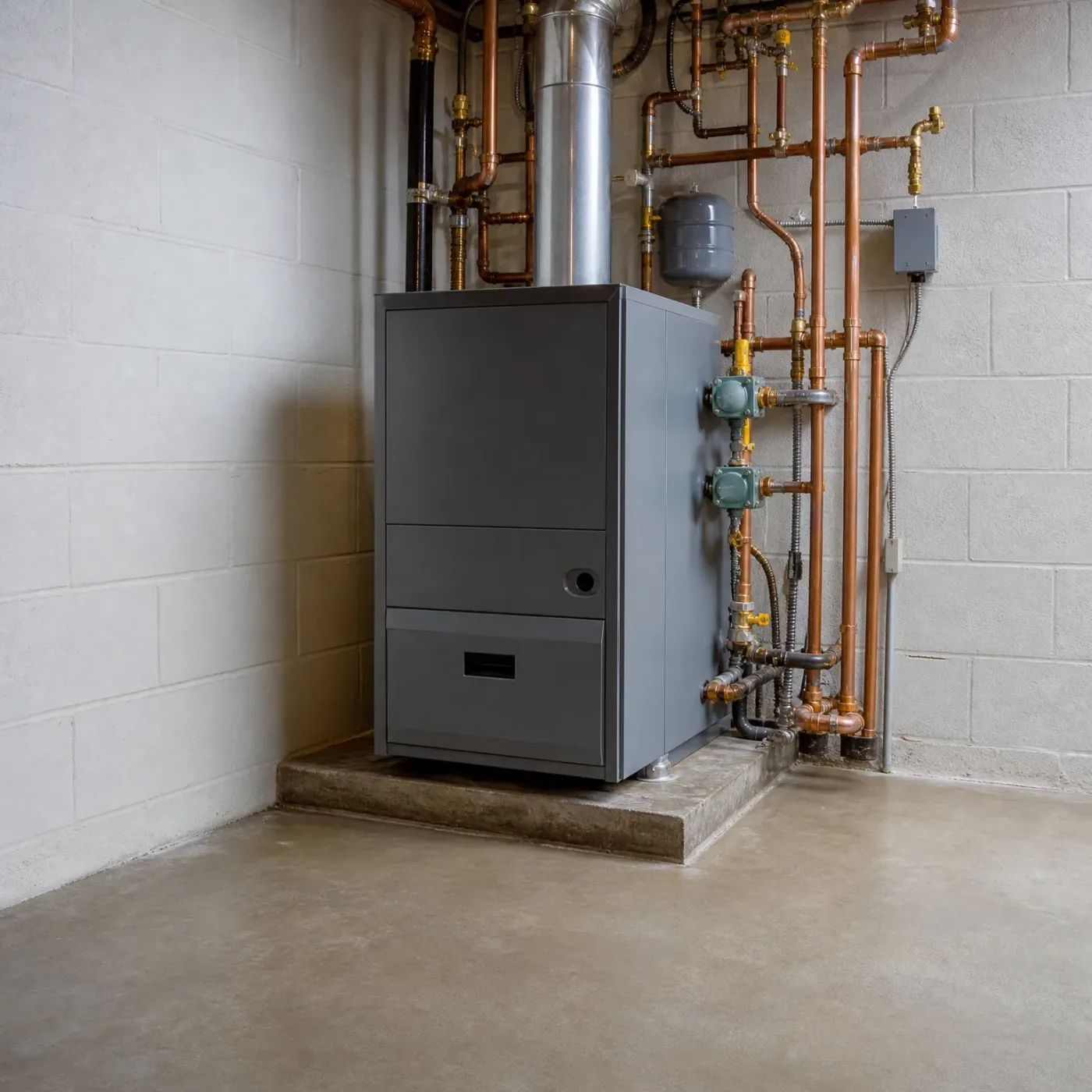
Winter nights here average 36°F, so your boiler isn't running hard or often. That's exactly why sediment has time to settle undisturbed at the bottom of the tank between firings, and why the banging shows up early in a short heating season instead of fading out.
NOAA nClimDiv 1991-2020 county normals weighted by homes
The banging comes from sediment at the bottom of the tank or an expansion tank that's lost its air cushion, and either one gets worse until a contractor flushes the system or checks the tank's charge. That's the plain answer. Since your boiler only carries the coldest stretch of an Alabama winter and electricity does the rest, it sits idle long enough for sediment to settle before you ever hear the first knock. A contractor who works on boilers in this area through every one of those short winters has heard this exact pattern before and knows which one it is without guessing. You reach that one contractor directly, licensed for the work and local to you, instead of listing the problem for a handful of companies and sorting through what each one tells you. No more searching, no more calls, no more explaining the noise from scratch to someone new. The boiler can go back to running the way it did before, quiet except for the pump, heat reaching every room evenly, the burner cycling without a fight.





Only one pro gets your request, so you hear from one company.
Asking costs nothing, and the choice to hire stays yours.