Profile view of a bearded man wearing a black baseball cap and a dark gray T-shirt against a plain light background.

Why your radiators won't heat up in Alabama

Step 1 of 3: Equipment

A radiator that stays cold usually means air trapped in the line, a stuck zone valve, or water that isn't circulating because the pump has failed. If only one radiator is cold while others heat fine, bleed it first, since trapped air is the most common cause. If all of them are cold, the problem is further back, at the boiler's circulator pump or the zone valve that feeds that loop. Most Alabama homes heat with electricity, so a boiler here is often the one system in the house still running on gas or oil, and it doesn't get used hard enough for you to notice small problems before they become no heat at all. A boiler that short-cycles or won't fire at all usually traces back to the same handful of parts: the pump, a valve, or the pressure in the system itself.

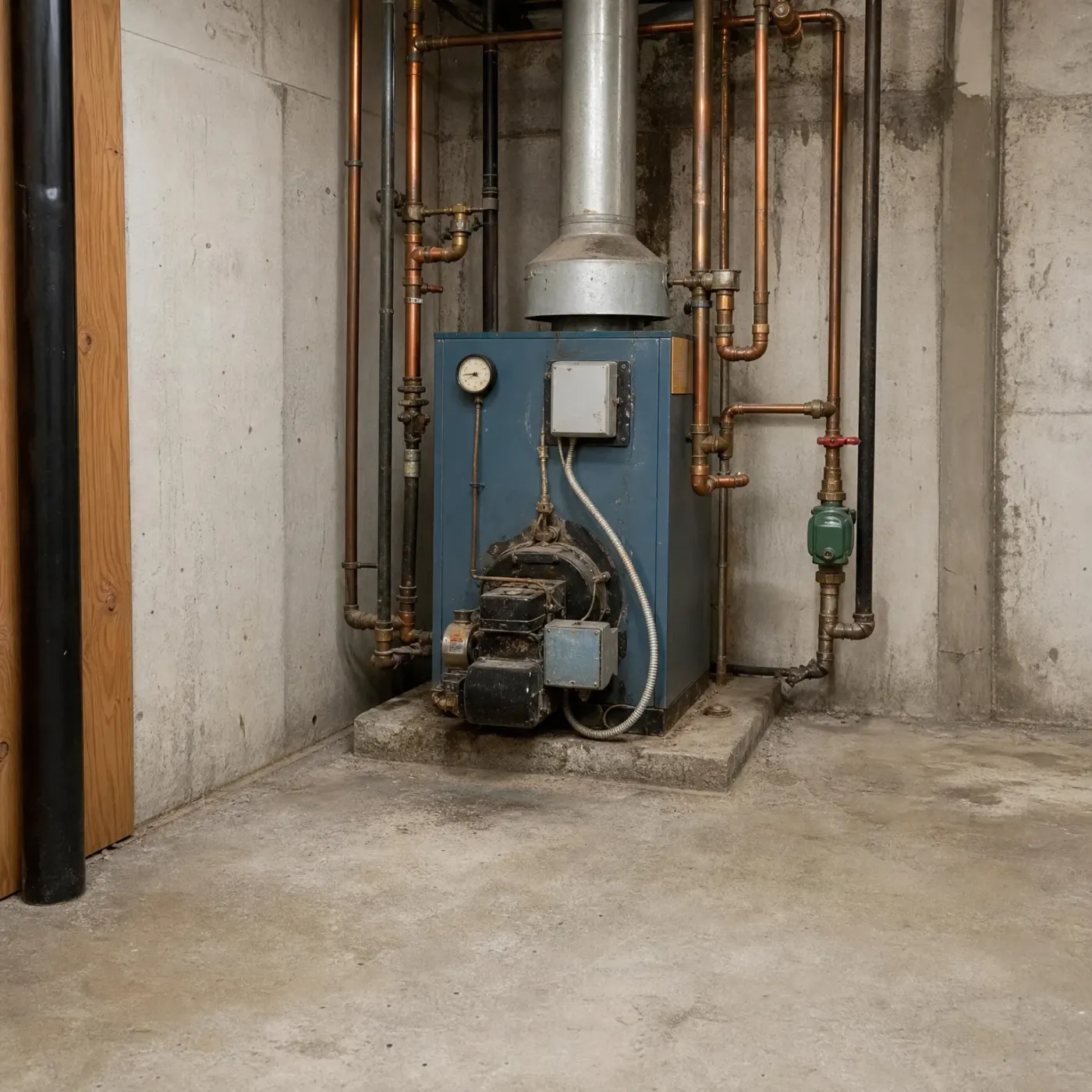
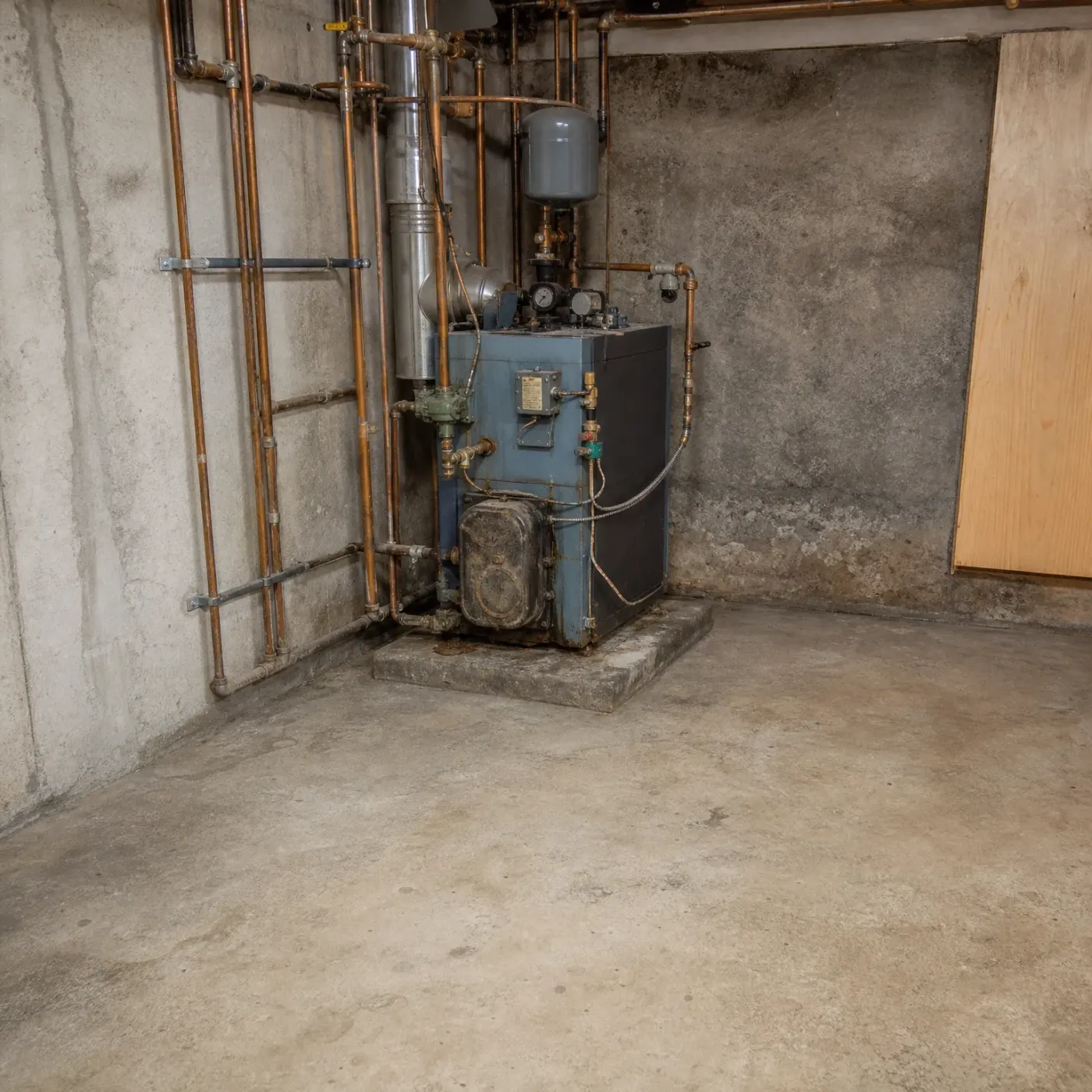
A blue boiler on a raised concrete pad in a basement corner, with copper and steel pipes, a gauge cluster, an expansion tank, and a metal flue running up the bare concrete walls.
Before you get your boiler repair
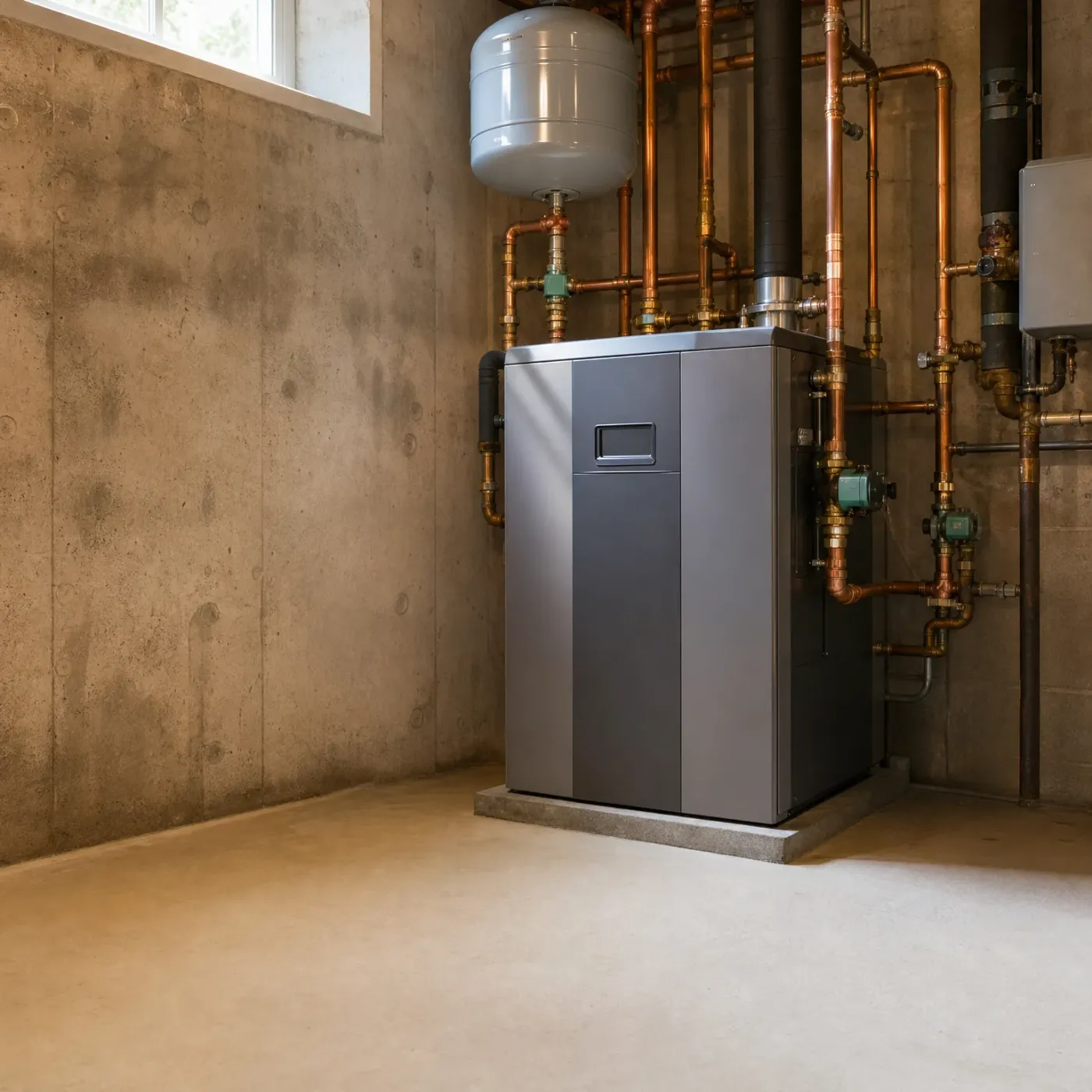
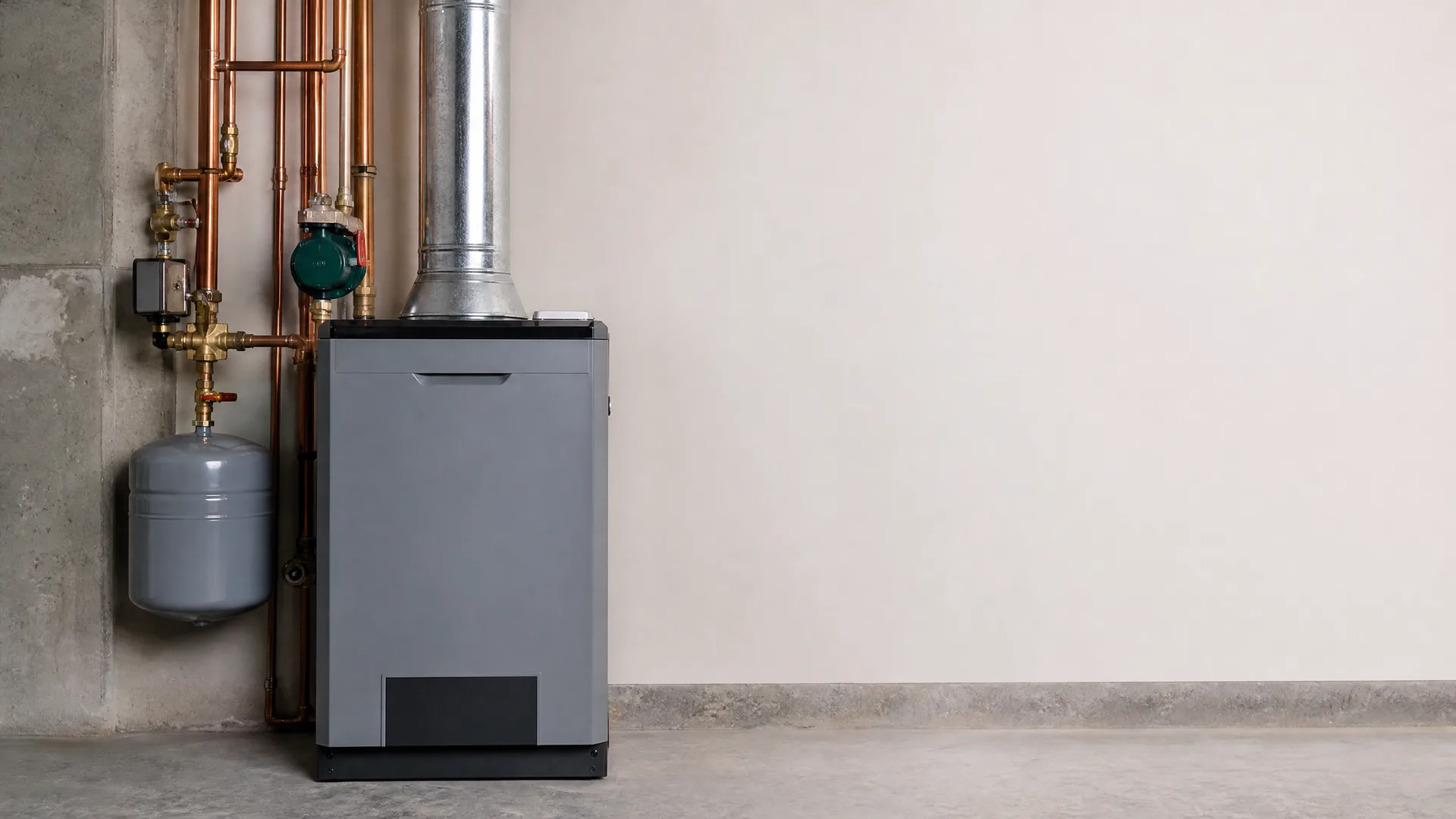
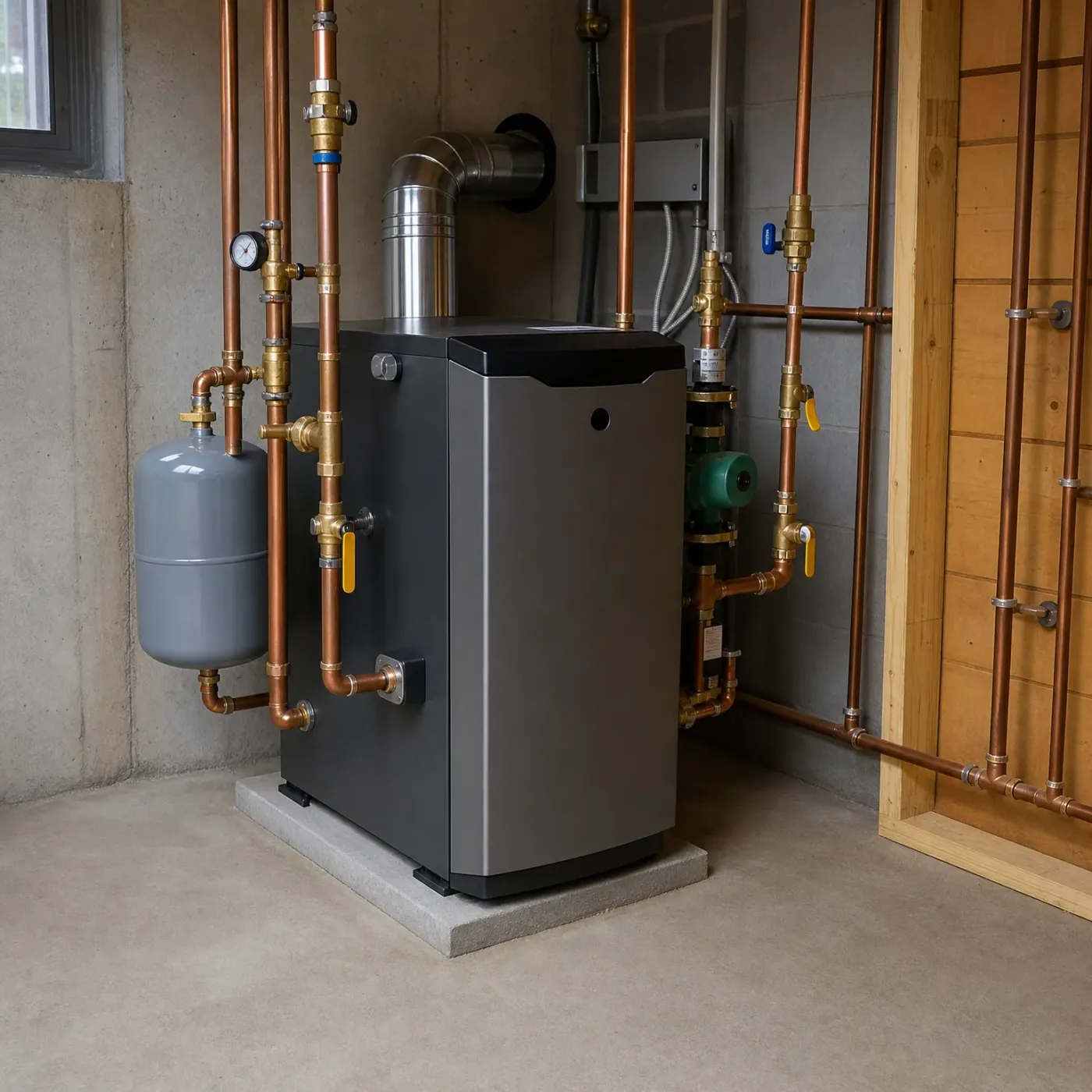
A dark gray floor-standing boiler on a concrete pad in a basement, surrounded by copper piping, brass valves, a gray expansion tank, a circulator pump, and a metal flue pipe against concrete block walls.
After you get your boiler repair

Why boilers are rare here

Most homes in Alabama heat with electricity, so a house with a boiler and radiators is usually older or was converted at some point. Parts for that system are not always sitting on a shelf at the nearest supply house the way a furnace igniter would be. A contractor working on a boiler here may need to source a specific zone valve or circulator pump, which is one reason it helps to get someone looking at it early rather than waiting.


What a stuck valve costs you

A zone valve that won't open shuts off hot water to that loop, so the pump keeps running and the boiler keeps firing while that radiator stays cold. With power rates what they are in Alabama, that is energy spent heating water that never reaches the room asking for it. The boiler isn't broken in that case. It's working fine, just not for that radiator, and the bill reflects the difference.

A smiling man in a gray long-sleeved shirt stands in a kitchen looking to the side, with open shelves of dishes, a white mug on the counter, a potted plant, and a view through a doorway into a living room.
A smiling bearded man in a green sweater sits at a white marble kitchen island with a mug, potted plant and bowl of fruit, in a bright white interior with open shelving and an arched doorway.
A smiling man with dark curly hair and a beard, wearing a dark green knit sweater, stands at a white marble kitchen counter with a dark blue mug, with open shelving, pendant lights and a houseplant behind him.
A smiling man in a green ribbed sweater stands behind a wooden table holding a ceramic mug of coffee in a kitchen with white subway tile, shelves of potted plants, and a bowl of fruit.
A gray boiler unit on a concrete pad in a basement corner, connected to copper piping, circulator pumps, and a ceiling-mounted expansion tank against bare concrete walls.

Heat moving through the system

Water circulates from the boiler through every line, and each radiator gets hot top to bottom. The pump runs quiet, the pressure gauge sits steady, and no section of pipe feels cooler than the rest.

A blue oil-fired boiler with a pressure gauge, burner unit and metal flue sits on a concrete pad in a basement corner, surrounded by copper and black pipes against bare concrete walls.

One radiator still cold

The boiler fires and the gauge looks normal, but a radiator stays cold or only warms at the bottom. Air in the line, a closed valve, or a pump losing strength will do this, and the rest of the house still waits on heat it isn't getting.

A closed laptop and a cream mug of coffee on a coaster sit on a dark wooden table, with a potted plant at left and a kitchen counter, tiled backsplash and shelf of ceramics in the background.

A cold radiator in January doesn't wait on you

You already check on small things before they turn into big ones, so you've probably noticed which radiator isn't pulling its weight. That's the right instinct. A zone valve stuck shut or a pump that's lost its prime won't fix itself, and the room it feeds will stay cold until someone with the right parts gets to it. With electric heat running most of the houses around you, a boiler tech isn't the first name in everybody's phone, and that's the gap this closes.

Send the form once and you're done hunting. No calling around to ask who still works on hot water heat, no describing the same cold radiator three different times to three different companies, no sorting through quotes that all sound different. You hand it off and the search is somebody else's job now, not yours.

A gray upholstered sofa with a textured cushion sits beside a dark round side table holding a vase of green foliage, with a table lamp and sheer-curtained window behind.
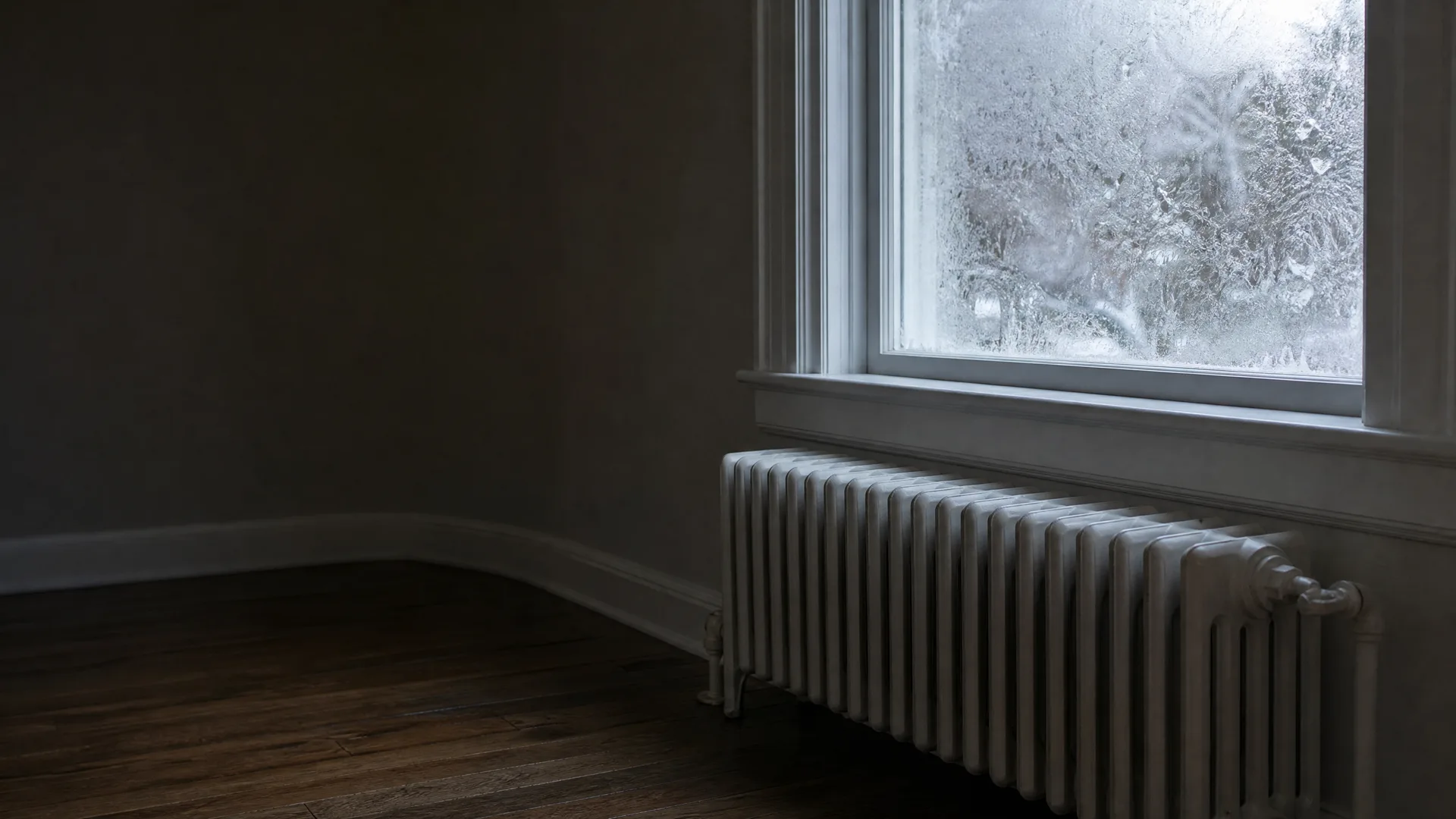
A white cast-iron column radiator under a frosted window in a dim empty room with dark walls and a wood floor, with snowy trees visible outside.

Ice has crept up the inside of the window glass, past the sill, and the cast-iron radiator underneath hasn't put out heat since last night. You crouch down and touch the pipe going in. Cold. You touch the one coming out. Cold too. Outside it's barely above freezing, rare for Alabama but not rare enough that your boiler gets to sit idle, and right now it's working somewhere in the house while this one room goes without. You've already bled the valve once this week. You press a towel against the bottom of the window where the ice has started to melt and run, and you pull a blanket off the couch for your kid, who's still in pajamas, waiting on the room to warm up.

Hand off the boiler problem

A boiler in Alabama already means a system that's harder to find parts for and harder to find a contractor who works on it regularly. When a radiator goes cold in January, that's not the week to start calling around, getting put on hold, explaining the same thing to three different shops to see who even services boilers. Send the request once and that search is off your plate. Someone who works on this kind of system takes it from there, and you're not the one tracking down who to call next. With radiators, the cold spreads fast once one zone stops circulating, and the rest of the house feels it within the hour. Getting the right contractor on it without spending your evening on the phone is what changes here. The radiator's cold now. Handing off the search is what gets you moving toward it being warm again.

A gray floor-standing boiler with a metal flue pipe, copper piping, a circulator pump and a gray expansion tank, installed against a concrete wall.

One phone call instead of five

Once the form is in, you're done hunting for someone who still works on boilers. No searching listings, no calling three places to find one that even answers, no explaining the cold radiator and the stuck zone valve over and over to whoever picks up. That part is handled.

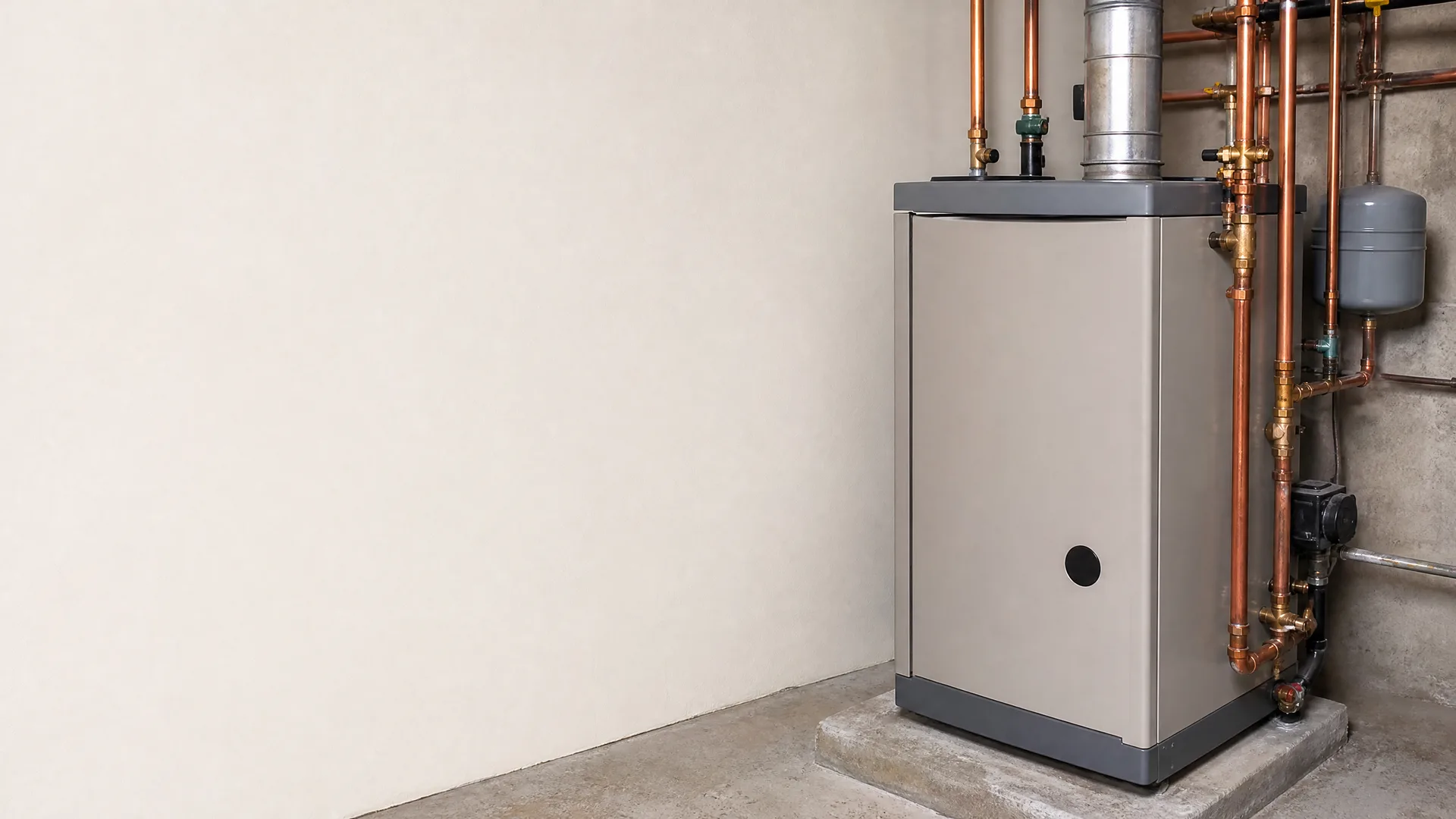
A tall grey floor-standing boiler on a concrete plinth in a corner of a room, with copper pipework, a flue, a circulator pump and an expansion vessel to its right, beside a plain cream wall.

What's left once it's sent

A boiler and radiators in Alabama already narrows the field of contractors who deal with this kind of system often. Sending the form means you're not the one sorting through who's qualified and who isn't, or weighing quotes against each other while the house stays cold. You wait for someone who already knows the equipment.

Winter nights average 36°F statewide

Statewide, winter nights average 36°F. Your boiler isn't fighting single digits, but it still has to push hot water to every radiator on a cold start, and a stuck valve or trapped air shows up fast when the house needs that heat overnight.

NOAA nClimDiv 1991-2020 county normals weighted by homes

What a cold radiator tells you

  • A cold radiator almost always traces back to trapped air, a stuck zone valve, or a pump that has lost power.
  • Bleeding the cold radiator first rules out the simplest cause before anything else gets checked.
  • A boiler that runs fine for every radiator but one points to that radiator's valve or line, not the boiler itself.
  • A boiler running in Alabama is already uncommon, and parts for it are not always close at hand.
  • The repair itself still takes a contractor who knows this kind of system, but finding one no longer has to be your problem.
  • Once the form is sent, the work of locating someone who services boilers is off your list.

One cold radiator with the rest running fine is almost never the boiler. It's air in that line, a zone valve that won't open, or a pump that's stopped moving water to that section. Bleeding the radiator is the first step, and it settles the question fast. If water runs out steady and the radiator heats up after, that was the whole problem. If it stays cold, the valve or the pump is next, and that's a job for someone who knows this kind of system, not a guess.

That's the part worth sitting with. Boilers and radiators aren't common in Alabama, since most homes here run on electric heat, and a house with one usually got it from an older build or a conversion somewhere along the way. That makes the system itself harder to explain over the phone and harder to find parts for on short notice. It also means fewer contractors in your area work on this kind of heat regularly, so finding the right one takes more than opening a listings page and picking a name.

None of that changes what fixes a cold radiator. It still takes someone who can trace the line, test the valve, check the pump, and get water moving through every radiator again. What changes is whether that search is yours to do. Send the form once and the hunting, the calling around, the repeating yourself to every voice that picks up, stops being your job.

A dark wood cabinet with a paneled door and a ceramic pot of green foliage on top stands in a beige-walled room with white baseboard, a window at left, hardwood floor, and a patterned area rug.
A dark wood glass-front cabinet holding folded towels, woven baskets and a ceramic vase stands in a bathroom corner beside a window, with a potted fern and stacked towels on top and a freestanding tub partly visible at left.
A woven basket holding a green cushion and a cream fringed knit throw sits on a wood floor in a room corner beside a window and a dark wooden cabinet.
Corner of a room with a dark wood cabinet topped by a round vase, a linen curtain at a window, white baseboard, oak plank flooring with sunlight patches, and a woven jute rug in the foreground.
A dark wood sideboard against a pale wall holds a shallow stone bowl and a round ceramic vase with leafy branches, with sunlight from a curtained window falling across the wall, wood floor and woven rug.

One request and it's handed off

Explain the job once and skip repeating it on every call.

Answer a few questions

Asking costs nothing, and the choice to hire stays yours.